Tag Archives: Economics

Fallacy and lies- “Cardinal Turkson on long term impact of Laudato Si'”

The article by Vatican Radio can be read below – but before that let’s put it in perpspective:

Copenhagen and Global Warming: Ten Facts and Ten Myths on Climate Change

Originally published by GR in 2009

Ten facts about climate change

1.     Climate has always changed, and it always will. The assumption that prior to the industrial revolution the Earth had a “stable” climate is simply wrong. The only sensible thing to do about climate change is to prepare for it.

2.    Accurate temperature measurements made from weather balloons and satellites since the late 1950s show no atmospheric warming since 1958.  In contrast, averaged ground-based thermometers record a warming of about 0.40 C over the same time period. Many scientists believe that the thermometer record is biased by the Urban Heat Island effect and other artefacts.

Continue reading Fallacy and lies- “Cardinal Turkson on long term impact of Laudato Si’”

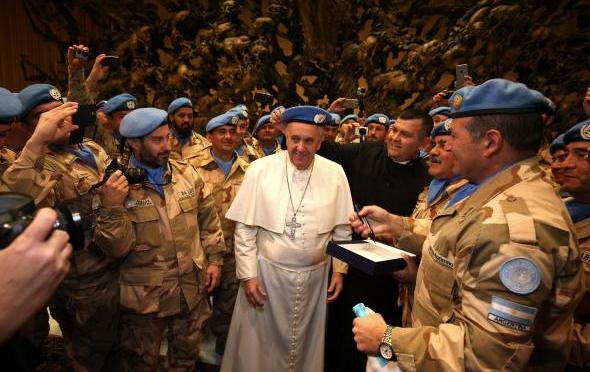
Pope Francis CEO gains 1 million Instagram followers in under 12 hours

The article below was featured on CNN.money.  Now that begs the question – what religious interest has CNN Financial reporting.  The short answer is None.  That’s right – there is nothing religious to report here. The significant role players are two CEOs of two business organisations where God takes a back seat or does not exist at all, or not in the Christian sense anyway.  The omnipotent god here is Money and that is what CNN.money is reporting on.

If you have been misled into believing that the leader of the Catholic church is going to save your soul, then you’re wrong. It is Jesus that saves souls.  This alleged, so-called Christian leader is more interested in making money than he is in praying to Jesus directly. Who is his God? He’ll pray to God, and to Christ- but Pope Francis never prays directly to Jesus.  And as we are advised:

And the light of the lamp shall shine no more at all in thee: and the voice of the bridegroom and the bride shall be heard no more at all in thee. For thy merchants were the great men of the earth: for all nations have been deceived by thy enchantments.
(Rev 18:23)

Continue reading Pope Francis CEO gains 1 million Instagram followers in under 12 hours

Christian Brothers Investment Services and Pornography

Total Assets Under Management
The AUM accounts for total discretionary and non-discretionary assets managed by the firm, and can be used as an indicator of the firm’s history of success. As a general rule, try to find financial firms with large assets. High numbers tend to correspond with significant earnings or a lot of clients (among other things), which shows the firm’s ability to make lucrative decisions and successfully manage many clients. Keep in mind, however, that firms with larger funds are less flexible and adaptable to changing market conditions.

Christian Brothers Investment Services, Inc.

 $6.1billion
Range   $0(min)       $2.12 billion (ave)    $3.01 trillion (max)

http://www.youtube.com/watch?v=WlmgMmVgiZs Continue reading Christian Brothers Investment Services and Pornography

‘Unimaginable’ Access to Pope Francis Yields 68,000 Photos

For six months, National Geographic photographer Dave Yoder had extraordinary access to Pope Francis at the Vatican, an experience that he expects he will one day look back on as “surreal.”

Continue reading ‘Unimaginable’ Access to Pope Francis Yields 68,000 Photos

Mysterious Death: Body of Doctor Who Linked Vaccines To Autism Found Floating in River

Dr. Jeff Bradstreet helped families whose children were believed to have been damaged by immunizations

Adan Salazar | Infowars.com – June 26, 2015

A prominent autism researcher and vaccine opponent was found dead floating in a North Carolina river last week under what many are calling suspicious circumstances. Continue reading Mysterious Death: Body of Doctor Who Linked Vaccines To Autism Found Floating in River

TPP and Access to Affordable Medicines

The Trans-Pacific Partnership would provide large pharmaceutical firms new rights and powers to increase medicine prices and limit consumers’ access to cheaper generic drugs. This would include extensions of monopoly drug patents that would allow drug companies to raise prices for more medicines and even allow monopoly rights over surgical procedures. For people in developing countries involved in the TPP, these rules could be deadly – denying consumers access to HIV/AIDS, tuberculosis and cancer drugs. Continue reading TPP and Access to Affordable Medicines

2 More Holistic Doctors Found Dead in Suspicious Circumstances — Total Number is Now 12

I chatted again with lead journalist Erin Elizabeth from HealthNutNews.com (video below) about the mysterious series of deaths of holistic/alternative doctors which began earlier this summer.

We’ve covered much of the story only to come up with more questions than answers.

Why are so many dying in such a small amount of time? Why are so many of them being called ‘suicides,’ against the good judgement of the close family members and friends of the deceased? Continue reading 2 More Holistic Doctors Found Dead in Suspicious Circumstances — Total Number is Now 12

CLIMATEGATE: A CRIME AGAINST HUMANITY

Let me preface this by saying I come from a science background myself, but all too often science gets hijacked and distorted for political or economic gain, or simply makes goofs which are perpetuated by arrogance! Continue reading CLIMATEGATE: A CRIME AGAINST HUMANITY

Global Apollo programme seeks to make clean energy cheaper than coal

Earthrise: Famous image of Earth taken from the Apollo 8 mission on 24 December 1968. Photograph: Alamy

Sir David King calls for £15bn a year R&D spending on clean energy to make it cheaper than coal power globally, in emulation of space race research efforts Continue reading Global Apollo programme seeks to make clean energy cheaper than coal

Dr. Tim Ball Responds To Gore Video

Gore’s Google Earth climate change scare, 35 major errors

Bob Parks imageBy Bob Parks — Bio and Archives  September 29, 2009

It’s an honor to know people who know about what they’re talking about to contrast the ignorant, propagandist opinion of people like Al Gore. Regarding Gore’s Google Earth climate change scare, I asked Dr. Timothy Ball for a retort.

Continue reading Dr. Tim Ball Responds To Gore Video

Low Natality, Low Growth: The Economic Consequences of Fewer Babies

One more consequence of misguided population control policies

March 17, 2016 Fr. John Flynn

pixabay.com/en/elderly-people-pensioner-294088

With the world’s economy still struggling, the March-April edition of the magazine Foreign Affairs had a special section titled: “The World is Flat: Surviving Slow Growth.” Among the essays was one which centered on the demographic causes behind slow growth.

“The Demographics of Stagnation: Why People Matter for Economic Growth,” by Ruchir Sharma, acknowledged the multiplicity of theories that seek to explain why economic growth has not returned to its pre-recession levels. Continue reading Low Natality, Low Growth: The Economic Consequences of Fewer Babies

Google’s Eric Schmidt Meets With Pope Francis at the Vatican

by James Eng

Eric Schmidt, executive chairman of Google parent company Alphabet, had an unusual meeting on his calendar on Friday — a private sit-down with Pope Francis at the Vatican.Neither Google nor the Vatican would comment on what the two discussed during the meeting, said to have lasted 15 minutes.

Related: Pope Francis Explains why the Internet is a ‘Gift from God’

A video report from the TV news agency Rome Reports showed the pontiff shaking hands with Schmidt and Jared Cohen, director of Google Ideas. Schmidt said to Francis, “I want to work with you to make these points. … We will make it happen.” The pope responded, “Pray for me. Don’t forget.” It’s not known what the two were referring to.

Although Francis has admitted he doesn’t know how to work a computer and has called the Internet a “gift from God,” he is no stranger to Google products. The 79-year-old pontiff has hosted two Google Hangouts from the Vatican, including one in which he confessed he’s a “dinosaur” when it comes to technology.

Pope Francis is also a social media star, racking up more than 8.4 million followers on Twitter.

Source: NBC News

Pope Francis meets with CEO of Instagram, Kevin Systrom

Pope Francis meets with , Kevin Systrom, the CEO and co-founder of Instagram, the photo-sharing social network – REUTERS

27/02/2016 15:04

(Vatican Radio) Pope Francis on Friday met with the CEO and co-founder of Instagram, Kevin Systrom. The photo-sharing social network was founded in 2010, and bought by Facebook in 2012. Over 300 million people use the service each month. Continue reading Pope Francis meets with CEO of Instagram, Kevin Systrom

Pope Francis meets with IMF’s Christine Lagarde

ap3260812_articolo

18/01/2016 14:19

(Vatican Radio) Pope Francis on Monday met in the Vatican with Christine Lagarde, the Managing Director of the International Monetary Fund.

The two also met in the Vatican on 10 December 2014.

The International Monetary Fund (IMF) is composed of 188 countries, was established in 1944 to help manage countries’ balance of payments. According to its website, it is

“working to foster global monetary cooperation, secure financial stability, facilitate international trade, promote high employment and sustainable economic growth, and reduce poverty around the world.”

Source: Vatican Radio

Pope Francis receives Apple CEO

Pope Francis shakes hands with Apple’s Tim Cook during a private audience in the Vatican on Friday , 22 January, 2016 – ANSA

22/01/2016 17:33

Pope Francis met with the CEO of Apple Inc., Tim Cook, on Friday. The private audience took place in the Apostolic Palace in the Vatican.

Source: Vatican Radio


Was this a religious meeting or was this the meeting of two CEOs?

Did the Pope explore with Tim Cook the need to move away from exploiting human beings with exposure to pornography and encourage him to take steps to manage this situation in line with Christian values?

The use of technology promoting, or indeed, encouraging human beings to sin is explicitly and directly opposed to the will of Almighty God.  Surely, the Pope, as an alleged moral and religious figure in the world, should be making the chasm between the promoters of “sin” wider, rather than narrower.

What is the Moral proclamation that the Pope gives to business leaders?

Does the Pope offer any Christian morality to business leaders? Is he displaying the moral characteristics representative and expected from supposed “Mosaic” leadership within the catholic church?

The answer to that is simply and sadly, no.

There should be condemnation of the business pursuits of companies like Apple and the likes and what they stand for -by the Pope and other religious leaders- but there is none.  There seems to be a lack of moral leadership in the catholic church.

There is no “Mosaic” proclamation – ‘Are you for God?’

So does this all come down to what the Pope might consider “prudence”.

It is what it is, and “this is the avenue,” on the back of which the teachings of the church will be promoted. Why? Because the Pope, the church and it’s ministers promote an indifferent message towards it’s[catholic church] buddy system established with the likes of Apple’s CEO.

Well if that is the case then the scarlet and red is using “sin” to create business – which is deplorable and must be abhorred.

Gore’s Dual Role: Advocate and Investor

By JOHN M. BRODER NOV. 2, 2009

WASHINGTON — Former Vice President Al Gore thought he had spotted a winner last year when a small California firm sought financing for an energy-saving technology from the venture capital firm where Mr. Gore is a partner. Continue reading Gore’s Dual Role: Advocate and Investor

31,487 Scientists say NO to Climate Change Alarmists

The Global Warming Petition project;
Started by Dr Art Robinson in response to the false alarm over CO2;
http://www.petitionproject.org/seitz_…
and Continue reading 31,487 Scientists say NO to Climate Change Alarmists

What is a LFTR? Molten-fueled, salt-cooled nuclear power | Molten Salt Reactors (incl Liquid Fluoride Thorium Reactor)

by George Lerner | Aug 25, 2012 |

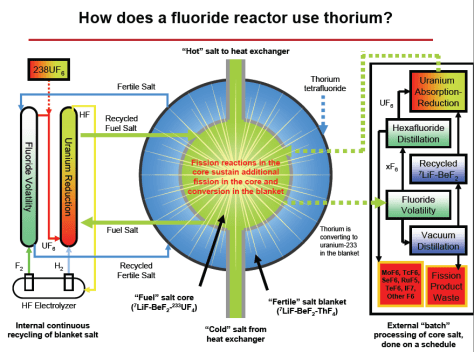
Nuclear power produces a million times as much energy as fossil fuels, per pound of fuel, without releasing pollution or affecting climate. People think nuclear power releases lots of radiation, but actually fossil fuels release more radioactive material.

We don’t have to use a Light Water Reactor to generate nuclear power. Though we’ve been using LWR almost exclusively, it is not the best type of nuclear reactor, it is the design that coal/oil companies, who owned and still own USA Congress, picked in the 1960s. Continue reading What is a LFTR? Molten-fueled, salt-cooled nuclear power | Molten Salt Reactors (incl Liquid Fluoride Thorium Reactor)

Personalized Medicine

Workshop 27-28 March 2017

When the term personalized medicine was coined by Leroy Hood and became part of our daily jargon less than a decade ago, the realization of this goal appeared to be the next inevitable milestone on the road of medical discovery. The journey began with the sequencing of the first human genome that lasted for several years, cost several hundred million dollars, and was completed in 2000. It continued with the sequencing of genomes of patients afflicted with particular diseases in numbers sufficient to unravel the mutations that underlie their pathogenesis. Once this vital information was available, the structure of the mutated proteins could be used to develop specific, individualized, mechanism-based drugs to modulate the activity of overly active proteins or replace the gene or gene product resulting from loss-of-function mutations. While some of the promise of this “simple” road-map view remains, the path has become more convoluted, and major road blocks have emerged. The promise of personalized medicine was initially painted with rosy colors in large part due to naiveté in the scientific community with respect to the complexity of the problem. In addition, some scientists were eager to convince the public and funding agencies that a defined roadmap toward new therapies for many diseases was around the corner, lacking only adequate funding.

We argue that while the goals of personalized medicine can still be achieved, a more realistic view of the obstacles and pitfalls is needed. Obstacles reside in each and every level of the road to this revolution – from scientific discovery to drug development by pharmaceutical companies, and from legal to administrative concerns to political, religious and ethical issues. Overcoming these obstacles will require a larger and more broadly focused research investment that employs both traditional and novel approaches. For example, at the level of identifying genomic mutations in DNA, we naively thought that the initial road blocks would be solved with rapid sequencing methodologies and better bioinformatic analysis of coding DNA. However, the recent ENCODE (Encyclopedia of DNA elements) project has shown how wrong we were even at this basic starting point. Most of what was regarded as “junk DNA” – which constitutes a large proportion of the genomic DNA – has turned out to be functional. Genome-wide association studies have recently shown that many noncoding sequences are associated with common pathologies. Furthermore, some of these regions are DNAse-sensitive and are active during fetal development where they may play a role in the development of disease states during adulthood. The resulting amount of DNA that must be incorporated into the ongoing analysis of the coding DNA will require not only more complex sequence and bioinformatics analyses but also the development of novel methodologies to analyze its significance. Additional obstacles include the need to examine regulatory pathways that act upstream and downstream from the genome – the RNAs, miRNAs, the proteome and the metabolome, each of which represents thousands of additional molecules. Development of proteomic analyses including methodologies that monitor dynamic changes in large populations of proteins and their numerous post-translational modifications (phosphorylation, acetylation, amidation, hydroxylation, ubiquitination and modification by ubiquitin-like proteins, nitrosylation, and others) have so far proven to be much more difficult than the analysis of nucleic acid sequence. Furthermore, technologies to dynamically analyzed small molecules – sugars, lipids, and other metabolic intermediates are in their infancy but will be required for the detailed view needed to truly understand disease causality.

One can argue that “personalized medicine” has been part of the medical profession from its inception. Physicians throughout history have applied different therapies to treat similar ailments through a process that involves careful patient observation and the selected use of ancillary data. While progress is uneven, this evolution of medicine has improved the quality of life and led to extended life and extended life in most societies. For example, excavations from Egyptian and pre-Columbian periods suggest that the average life expectancy did not exceed ~30 years and almost 4,000 years passed before the beginning of the 20th century when average life expectancy reached ~50 years. The last century marked the shortest span in history to increase life expectancy by almost 30 years in developed countries. Most of the improvements in mortality were attributable to reductions in infectious disease mortality resulting from safer sources of food and drinking water, improved understanding of the principles of hygiene, the discovery of antibiotics and vaccinations, the development of medical technologies such as imaging and surgery and an improved understanding of disease pathophysiology. This increased longevity has been beneficial for society but has also been associated with the emergence of diseases of aging, including chronic and ischemic heart disease, cancers, COPD, and degenerative diseases, including Parkinson’s and Alzheimer’s. These diseases represent a major challenge to the affected individual, the medical-scientific community, and society at large.

The treatment of diseases has evolved greatly, and currently we still use medications that were discovered by astute observers and practitioners of medicine during a time we call the era of incidental discoveries. Among those we can include the discovery of salicylic acid by Johann Buchner, Henri Leroux, Raffaele Piria, and Charles Gerhardt, which was commercialized by Bayer in the 20 century, after reformulation by Felix Hoffmann. Also, the discovery of insulin initiated by the observations of Paul Langherhans stimulated studies by Oscar Minkowski, which in turn led to its isolation by Fredrick Banting and Charles Best in 1921. In partnership with Ely Lilly, this led to the purification and mass production of insulin. Similarly, the era of antibiotics was heralded by the discovery and production of penicillin for which Alexander Fleming, Howard Florey, and Ernst Chain were awarded the Nobel Prize in 1945. In 1975, Akira Endo initiated the era of biochemical discovery using high throughput technology, with his work that culminated in discovery of the blockbuster statin drugs.

In many ways, the application of genomic data represents the next logical step in this tradition. The paradigm of P4 Medicine, proposes a personalized, predictive, preventive, and participatory practice of medicine based on a systems approach. An important challenge to the predictive part of this paradigm using genomics sequence information is that many highly prevalent diseases including asthma, COPD, mental health and metabolic disorders, are multigenic, and the phenotypic pathology depends on the penetrance of the different genes involved and their modulation by environmental factors. For example, Bert Vogelstein and colleagues used sequencing data from monozygotic twin pairs to estimate the attributable risk for 24 types of cancer that might be identified from whole genome sequencing. They found that only a small fraction of the risk could be identified based on genetic factors and that this paled in comparison with the risks associated with environmental factors including smoking and obesity (The Predictive Capacity of Personal Genome Sequencing Science Translational 2012). Even in patients in whom cancer has developed, genomic instability might cause driver mutation(s) to be masked or absent in the advanced stages of the disease. This elusive behavior of tumors has elicited a fierce debate on the therapeutic approach to cancer – whether for example in lung cancer, to target the specific mutations, which accumulate and become resistant to therapy, or to target major upper stream “switches” such as evasion of cell death, immune surveillance, growth suppressors, and deregulation of cellular energetics.

From the standpoint of drug development, a major concern is that personalized medicine will mark the end of the blockbuster era, where one or a few competing drugs can be used to treat an entire population with a disease. In this setting, current models of drug development become prohibitively expensive. For example, even the now familiar classification of patients with breast cancer based on expression of HER/Neu2, estrogen receptor mutation, progesterone receptor mutation is likely an oversimplification of this complex disease. In the future, an array of genomic, RNA, proteomic and metabolic data will likely be used to classify patients with cancer and to identify potential therapeutic approaches. A similar process is likely in other diseases including pulmonary fibrosis, COPD, pulmonary hypertension and other complex common diseases. Pharmaceutical companies are already reluctant to participate in the development of certain drugs (antibiotics for example), and maybe even less interested in the development of drugs targeted to a smaller number of patients. To respond to this problem, investment is needed to develop improved preclinical disease models that can be used to predict drug efficacy and toxicity.  This process might be facilitated by using personalized medicine approaches to identify factors that might make individuals more or less sensitive to certain drugs.

Most difficult to resolve are the bioethical issues raised by personalized medicine. For example, genomic analysis of a blood or a tissue sample for clinical, research or even personal purposes might have multiple, unforeseen implications. Some “simple” questions relate to privacy and confidentiality with respect to the use of the information by employers, governments, or insurance companies to make decisions unrelated to health care. More complicated is the problem of how to address incidental information referring to a potential or evolving pathology of which the patient is unaware and for which the patient might not have consented, particularly, the discovery of predisposition of a disease that cannot be treated or prevented. This problem is even more complex when the information is discovered as part of prenuptial testing or in utero examinations of embryos. This information has the possibility to affect the physician-patient relationship, social networks, family structure, and parenthood in ways that are difficult to predict. These rapidly evolving ethical challenges will require continuously updated guidelines and legislation. The scientific community needs to proactively and clearly communicate the recent discoveries generated in laboratories to engage the political, philosophic, clerical, and judicial members of society to meet the challenges of ethical utilization of data and new technologies.

In conclusion, the road to personalized medicine is longer and much more tortuous than anyone imagined a decade ago. We find ourselves in the midst of an exciting era in medicine in which we can see that the promise of individualized prevention, early detection, and efficient treatment of diseases is possible. Realizing this goal will require innovative multidisciplinary approaches to address the scientific, commercial and ethical challenges posed by these new technologies and techniques. Like many endeavors in research, the next milestone in the road may not be around the corner and might come from an unexpected source. Continued investments in high quality research using both traditional and novel approaches in a wide field of study will be required to achieve these goals. As we do this, it is important to remember what our patients might think of when they hear the term “personalized medicine”. For example, Carolyn Bucksbaum recently provided $42 million (A $42 Million Gift Aims at Improving Bedside Manner. New York Times September 22, 2011) to establish a center to teach doctors “bedside manners” and to “preserve kindness and personalize” the patient-doctor relationship.  Providing both the personalized medicine described by Dr. Hood and Ms. Bucksbaum represents an exciting challenge in the practice of medicine in the 21st Century.

by Aaron Ciechanover(see more about author below)

Source: Personalized Medicine


Aaron J. Ciechanover
ciechanover2010

Date of Birth 1 October 1947
Place Haifa (Israel)
Nomination 12 February 2007
Field Biochemistry
Title Professor, Nobel laureate in Chemistry, 2004

Most important awards, prizes and academies
Awards: The Austria Ilse and Helmut Wachter Prize, University of Innsbruck (1999); The Jewish National Fund Alkales Award for Distinguished Scientific Achievements (2000); The Albert and Mary Lasker Award for Basic Medical Research (2000); The Michael Landau Israeli Lottery (Mifa’al Ha’Peis) Award for a significant breakthrough in Medical Sciences (2001); EMET (Truth) Prize (Israeli Prime Minister Prize), for Arts, Science and Culture (in Life Sciences and Medicine) (2002); The Israel Prize for Biology (2003); Japan Society for Promotion of Science (JSPS) (2003 & 2006); Distinguished Scientist Award (2003); Nobel Prize in Chemistry (shared with Drs. Avram Hershko and Irwin A. Rose) (2004). Fellowships: Fulbright Fellow, M.I.T., (Dr. Harvey Lodish’s Laboratory) (1981-4); Leukemia Society of America Fellow, M.I.T. (1981-3); Israel Cancer Research Fund (ICRF), USA Fellow, M.I.T. (1981-4); Medical Foundation and Charles A. King Trust Fellow, M.I.T. (1983-4); American Cancer Society Eleanor Roosevelt Memorial Fellow (1988-9). Academies and professional societies: American Association for Advancement of Science (AAAS); Member, Council of the European Molecular Biology Organization (EMBO) (1996-present); Member, Asia-Pacific IMBN (International Molecular Biology Network) (1999-present); Member, European Academy of Arts and Sciences (2004); Member, Israeli National Academy of Sciences and Humanities (2004); Fellow (Hon.), Royal Society of Chemistry RCS (UK), HonFRSC (2005); Foreign Member, American Philosophical Society (2005); Honorary Member, Society for Experimental Biology and Medicine (2006); Fellow, Federation of Asian Chemical Societies (FACS) (2006); Member, Pontifical Academy of Sciences (2007). Honours: Janet and David Polak Professor of Life Sciences, Technion-Israel Institute of Technology, Haifa, Israel (1996-present); University Distinguished Professor, Technion-Israel Institute of Technology, Haifa, Israel (2002-present); Professor, Israel Cancer Research Fund (ICRF), USA (2003-present); Cell Stress Society International – CSSi – Medal (2005); Sir Hans Krebs Medal, Federation of the European Biochemical Societies (FEBS) (2006). Honorary degrees: Honorary Doctorate (Doctor Philosophiae Honoris Causa; Ph.D. Hon.), Tel Aviv University, Tel Aviv, Israel (2001); Honorary Doctorate (Doctor Philosophiae Honoris Causa; Ph.D. Hon.), Ben-Gurion University, Beer Sheba, Israel (2004); Honorary Doctorate, City University of Osaka, Japan (2005); Honorary Doctorate, University of Athens, Greece (2005); Honorary Doctorate, National University of Uruguay, Montevideo, Uruguay (2005); Honorary Doctorate, Washington University, St. Louis, Missouri, USA (2006); Honorary Doctorate (Doctor Philosophiae Honoris Causa; Ph.D. Hon.), Cayetano Heredia University, Lima, Peru (2006); Honorary Professor, Capital University of Medical Sciences (CPUMS), Beijing, China (2006); Honorary Professor, Peking Union Medical College (PUMC), Beijing, China; Honorary Professor, Chinese Academy of Medical Sciences (CAMS), China (2006); Honorary Doctorate (Doctor Philosophiae Honoris Causa; Ph.D. Hon.), Hebrew University, Jerusalem, Israel (2007); Honorary Doctor and Foreign Fellow, Polish Academy of Medicine (2007); Honorary Doctorate (Doctor Philosophiae Honoris Causa; Ph.D. Hon.), Bar-Ilian University, Ramat Gan, Israel (2007); Honorary Doctorate (Doctor Honoris Causa), Universidad San Francisco, Quito, Ecuador (2008).

Summary of scientific research
Dr Ciechanover’s current research focuses on the regulation of transcriptional factors, tumour suppressors, and onco-proteins, and the development of novel modalities for the treatment of diseases such as malignancies and neurodegenerative disorders based on a known mechanism of action and aberrations in the activity of the ubiquitin system which he co-discovered.

Main publications
Hershko, A., Heller, H., Ganoth, D., and Ciechanover, A. (1978), Mode of degradation of abnormal globin chains in rabbit reticulocytes, Protein Turnover and Lysosome Function (H.L. Segal & D.J. Doyle, eds.) Academic Press, New York, pp. 149-69; Ciechanover A., Hod, Y., and Hershko, A. (1978), A heat-stable polypeptide component of an ATP-dependent proteolytic system from reticulocytes, Biochem. Biophys. Res. Common. 81, 1100-5; Ciechanover, A., Heller, H., Elias, S., Haas, A.L., and Hershko, A. (1980), ATP-dependent conjugation of reticulocyte proteins with the polypeptide required for protein degradation, Proc. Natl. Acad. Sci. USA. 77, 1365-8; Hershko, A., Ciechanover, A., Heller, H., Haas, A.L., and Rose, I.A. (1980), Proposed role of ATP in protein breakdown: Conjugation of proteins with multiple chains of the polypeptide of ATP-dependent proteolysis, Proc. Natl. Acad. Sci. USA 77, 1783-6; Ciechanover, A., Elias, S., Heller, H., Ferber, S. and Hershko, A. (1980), Characterization of the heat-stable polypeptide of the ATP-dependent proteolytic system from reticulocytes, J. Biol. Chem. 255, 7525-8; Hershko, A., Ciechanover, A., and Rose, I.A. (1981), Identification of the active amino acid residue of the polypeptide of ATP-dependent protein breakdown, J. Biol. Chem. 256, 1525-8; Ciechanover A., Heller H., Katz-Etzion R., Hershko A. (1981) Activation of the heat-stable polypeptide of the ATP-dependent proteolytic system, Proc. Natl. Acad. Sci. USA, Feb 78(2):761-5; Ciechanover, A., and Ben-Saadon R. (2004), N-terminal ubiquitination: More protein substrates join in, Trends Cell Biol. 14, 103-6; Ciechanover, A., Elias, S., Heller, H. & Hershko, A. (1982), ‘Covalent affinity’ purification of ubiquitin-activating enzyme,J. Biol. Chem. 257, 2537-42; Hershko, A., Heller, H., Elias, S., and Ciechanover, A. (1983), Components of ubiquitin-protein ligase system: Resolution, affinity purification and role in protein breakdown, J. Biol. Chem. 258, 8206-14; Hershko, A., Eytan, E., Ciechanover, A. and Haas, A.L. (1982), Immunochemical Analysis of the turnover of ubiquitin-protein conjugates in intact cells: Relationship to the breakdown of abnormal proteins, J. Biol. Chem. 257, 13964-70; Finley, D., Ciechanover, A., and Varshavsky, A. (1984), Thermolability of ubiquitin-activating enzyme from the mammalian cell cycle mutant ts85, Cell 37, 43-55; Ciechanover, A., Finley D., and Varshavsky, A. (1984), Ubiquitin dependence of selective protein degradation demonstrated in the mammalian cell cycle mutant ts85, Cell 37, 57-66; Ciechanover A., Finley D., Varshavsky A. (1984) Ubiquitin dependence of selective protein degradation demonstrated in the mammalian cell cycle mutant ts85, Cell, May 37(1):57-66; Ciechanover A., Wolin S.L., Steitz J.A., Lodish H.F. (1985), Transfer RNA is an essential component of the ubiquitin- and ATP-dependent proteolytic system, Proc. Natl. Acad. Sci. USA, Mar 82(5):1341-5; Ferber S., Ciechanover A. (1986) Transfer RNA is required for conjugation of ubiquitin to selective substrates of the ubiquitin- and ATP-dependent proteolytic system, J. Biol. Chem., Mar 5;261(7):3128-34; Ferber S., Ciechanover A. (1987) Role of arginine-tRNA in protein degradation by the ubiquitin pathway, Nature, Apr 23-29; 326(6115):808-11; Ciechanover A., Ferber S., Ganoth D., Elias S., Hershko A., Arfin S. (1988) Purification and characterization of arginyl-tRNA-protein transferase from rabbit reticulocytes. Its involvement in post-translational modification and degradation of acidic NH2 termini substrates of the ubiquitin pathway, J. Biol. Chem., Aug 15;263(23):11155-67; Mayer A., Siegel N.R., Schwartz A.L., Ciechanover A. (1989) Degradation of proteins with acetylated amino termini by the ubiquitin system,Science, Jun 23;244(4911):1480-3; Elias S., Ciechanover A. (1990) Post-translational addition of an arginine moiety to acidic NH2 termini of proteins is required for their recognition by ubiquitin-protein ligase, J. Biol. Chem., Sep 15;265(26):15511-7; Ciechanover, A., DiGiuseppe, J.A., Bercovich, B., Orian, A., Richter, J.D., Schwartz, A.L., and Brodeur, G.M. (1991), Degradation of nuclear oncoproteins by the ubiquitin system in vitro, Proc. Natl. Acad. Sci. USA 88, 139-43; Breitschopf K., Bengal E., Ziv T., Admon A., Ciechanover A. (1998) A novel site for ubiquitination: the N-terminal residue, and not internal lysines of MyoD, is essential for conjugation and degradation of the protein, EMBO J. Oct 15;17(20):5964-73; Glickman, M.H., and Ciechanover, A. (2002), The ubiquitin-proteasome pathway: Destruction for the sake of construction, Physiological Reviews 82, 373-428; Ciechanover, A. (2005), From the lysosome to ubiquitin and the proteasome, Nature Rev. Mol. Cell Biol. 6, 79-86; Ciechanover A. (2005). Intracellular protein degradation: from a vague idea, through the lysosome and the ubiquitin-proteasome system, and onto human diseases and drug targeting (Nobel lecture), Angew. Chem. Int. Ed. Engl. Sep 19;44(37):5944-67.

The Guatemala Human Rights Commission Expresses Concern over U.S. Reaction to Child Migration Crisis

Read our report on conditions facing Guatemalans deported from the US.

(Information from August 2014)

Each week, an estimated 120 Guatemalan children, many unaccompanied, are arriving at the U.S. border. When they arrive in the U.S., they have already survived a long and perilous journey through Mexico, where extortion, kidnapping, rape, and murder are common; many survive these horrors only to die crossing the U.S. desert. Often these children make the journey north not by choice but because they face daily violence and life-threatening poverty; some are literally running for their lives. In a study by the UNHRC, almost 40% of Guatemalan children interviewed who had entered the U.S. unaccompanied and undocumented raised international protection concerns due to violence in society or abuse in the home; close to 30% spoke of deprivation.

In the face of this humanitarian crisis, the Guatemala Human Rights Commission/USA (GHRC) calls for the U.S. government to treat all migrants with dignity, and accept its legal and humanitarian responsibilities to protect refugee children and youth.

The root causes of forced migration in Guatemala are linked to a complex set of factors that include rampant violence, acute poverty, corruption and high rates of impunity — conditions long exacerbated by U.S. policies. GHRC condemns misguided or inhumane responses, such as expedited deportations, that will not only send children back to situations of dire violence, but will also contribute to a cycle of forced migration. Instead, the U.S. response must include deeper analysis of these root causes, including our own role in exacerbating forced migration.

GHRC calls for a humane U.S. response, in line with international protection obligations, to address the immediate needs of children and vulnerable populations.

  • The U.S. should fully comply with international obligations and provide comprehensive screening for possible international protection needs. To do so, The U.S. should guarantee legal representation for migrants and refugees that arrive at the U.S. border, especially for vulnerable populations such as unaccompanied minors.
  • The U.S. should maintain protections under the Trafficking Victims Protection Reauthorization Act of 2008 (“TVPRA”) for Central American children.
  • The U.S. should base all decisions regarding the treatment of child migrants on the best interest of the child; family reunification in the U.S. should be top priority.
  • The U.S. should halt all deportations until a system is in place to provide both legal representation and screening for international protection needs for all migrants. This is important because the Guatemalan government does not have established programs to support the safe and effective reintegration of deported migrants, and does not have the capacity to receive large numbers of unaccompanied minors, particularly those at risk.

GHRC calls for a long-term strategy that addresses the root causes of migration and focuses on helping people to stay in their communities, instead of a militarized or “mano dura” enforcement approach that will only provoke further fear and instability.

  • The U.S. should halt security assistance to Guatemala’s police and military, both through the Central America Regional Security Initiative (CARSI) and other bilateral security assistance programs, until credible evidence shows they are protecting human rights and effectively combating internal corruption and links to organized criminal networks. If security assistance is provided, it should be contingent upon strict compliance with human rights conditions and should focus on prevention programs as well as services for at-risk populations such as women’s shelters and witness protection programs.
  • The U.S. should re-negotiate the Central American Free Trade Agreement (CAFTA) to create more balanced trade regulations and address ongoing poverty and inequality in the labor, textile, agricultural, and service sectors. USAID programs should prioritize support for local and community-based programs to alleviate poverty, and increase access to education, social services and employment opportunities. The U.S. should ensure that any assistance program meets priority needs identified by the local population. To address displacement due to large-scale extractive industry projects, the U.S. should also urge Guatemala to meet its obligation to indigenous communities of free, prior and informed consent before any development project is carried out.
  • The U.S. should continue to provide support to strengthen the judicial system and accountability mechanisms; this includes support for the high risk courts and the International Commission Against Impunity (CICIG) in Guatemala and efforts to increase judicial independence. The U.S. should also encourage full compliance with Guatemala’s human rights obligations under regional and international law.
  • The U.S. should support increased protections for human rights defenders, many of whom faced targeted threats and violence due to their work to improve social and economic conditions in Guatemala.

Background:

U.S. policies in the region have been a significant factor contributing to decades of forced migration from Guatemala.

GHRC has documented conditions in Guatemala for over three decades, during which time forced migration has been inextricably linked to social and political factors rooted in historic poverty, inequality and state-sponsored violence – conditions aggravated by U.S. policies, particularly over the last 60 years.

After backing a coup against Guatemala’s democratically elected president in 1954, the U.S. supported the reversal of democratic reforms for economic equality and, for the next forty years, funded, trained and supported the brutal violence unleashed against Guatemala’s civilian population. During Guatemala’s internal armed conflict, which reached the peak of brutality in the early 1980s, over one million people were forcibly displaced, and an estimated 200,000 fled to Mexico, the U.S. and other countries as war refugees.

The long-term legacy of this violence is complex and includes family and community disintegration, high rates of generalized violence, outmigration, and a myriad of related social problems. These challenges were not resolved with the signing of the 1996 Peace Accords and instead have become more acute over the past decade. A history of violence and impunity has also contributed to structural violence, as well as high levels of domestic violence, organized crime, corruption, and weak state institutions. These conditions often violate the universal right to life, liberty and security.

The U.S. response to post-war instability and violence in the region has in large part exacerbated the factors that contributed to forced migration.

1) The U.S. continues to fund security policies in Guatemala that have failed to reduce generalized violence in the region and, in some cases, has reduced Guatemalans’ sense of security.  Bilateral and regional assistance has increased steadily from 2008 to today, including over 100 million dollars of security assistance to Guatemala through the Central American Regional Security Initiative (CARSI).

Over this same period, violent crime in the Northern Triangle (Guatemala, Honduras and El Salvador) has escalated and the region now has one of the highest homicide rates in the world. Guatemalan women suffer particularly high rates of domestic and sexual violence. In 2013 Guatemala registered the second highest rate of femicide [1]; over 50% of migrants from Guatemala that year were women [2] and GHRC has supported numerous asylum cases of women who fear persecution and violence if forced to return.

While U.S. support for the International Commission against Impunity in Guatemala (CICIG) has been important, aid to Guatemalan security forces has not succeeded in reducing overall levels of organized crime. Organized criminal networks continue to operate freely throughout Guatemala, trafficking drugs, guns, and human beings. Gangs control entire sections of Guatemala City and other urban areas through extortion, forced recruitment, and other acts of intimidation and violence.

Children are the most vulnerable of all. Every 17 hours a child or teen dies from gun violence. And every two hours a child younger than five years of age dies of preventable causes [3]. Children suffer widespread abuse, sexual exploitation, prostitution, and forced marriage [4]. Where gangs are present, children and youth are specifically targeted for forced recruitment and threatened with severe retaliation if they refuse to join gangs and perform criminal activities or serve as coerced sexual partners [5].

The Guatemalan government is often unable to offer its citizens protection from violence. Impunity for all crimes is one of the highest in the western hemisphere, and impunity for crimes committed against women, children and other vulnerable populations can reach 98%. The police are undertrained, understaffed, underpaid, and often corrupt. Rather than focus on reforming the civilian police, Guatemala has increasingly relied on the military for law enforcement, a strategy that has proven ineffective and, in many cases, counterproductive.

Moreover, there are credible allegations of collaboration between organized criminal groups and members of the Guatemalan military and police [6], as well as police and military involvement in serious crimes [7], exacerbating impunity and denying victims the right to security and justice. Such abuses are often not investigated or prosecuted.

The infiltration of Guatemala’s security forces by organized criminal networks also leads to concerns that ongoing U.S. aid to these institutions inadvertently strengthens the very groups it seeks to combat, and ultimately increases the risk of violence and human rights abuses against vulnerable populations.

2) U.S. economic policies have reinforced poverty and undermined employment opportunities, both of which continue to be important push factors for forced migration. According to the UNDP, more than 51% of Guatemalans live in poverty, with 17% surviving on less than US $1.25 per day [8]. Over half of children under age five suffer from stunting due to malnutrition and 23% of the entire Guatemalan population is undernourished. Chronic under-nutrition in indigenous areas reaches 70% [9].Guatemala continues to be one of the lowest spenders on social programs of any country in Central America, and many Guatemalans lack of access to basic healthcare, social services, and education.

U.S. economic policies such as the Central America-United States Free Trade Agreement (CAFTA) have further contributed to impoverishment and economic instability at the community level. CAFTA has failed to provide sustainable economic opportunity. Steady, long-term employment in many regions is few and far between; 75% of working people are employed in the informal sector, with no job benefits or security, and no guarantee of earning the minimum wage [10].

Many people in rural communities are heavily dependent on subsistence agriculture. CAFTA has increased the trade imbalance between the U.S. and Guatemala and imports of U.S. subsidized crops have undercut local markets [11], forcing people to find work elsewhere, including in the United States. Meanwhile, labor violations and abuse in the workplace are an ongoing reality for those employed in the textile and service sectors. The open CAFTA complaint against Guatemala, filed by U.S. and Guatemalan labor unions in 2009 for the government’s failure to address persistent and systematic labor rights violations, has not produced any results [12].

The U.S. has done little to address conflict in many rural and indigenous communities, which has spiked due to the rise of international investment in mining, hydroelectric power, petroleum extraction, and other large-scale commercial agriculture. These land-intensive projects create few jobs and leave immense environmental devastation in their wake. By means of community referendums Guatemalans have expressed their overwhelming opposition to this model of imposed “development,” yet the Guatemalan government has refused to recognize the results of these plebiscites and has even questioned their legitimacy. Meanwhile the government has neglected to carry out its own consultations with the indigenous populations affected by these projects, in direct violation of obligations under international law. Instead, the Guatemalan government has relied on repressive policies and, in some cases, martial law, to protect the economic interests of transnational companies rather than the safety of its citizens. Facing displacement, contaminated water, polluted environments, and repression from the government, Guatemalans may be forced to seek their livelihoods elsewhere.

3) The U.S. has not done enough to protect human rights defenders, many of whom are working to improve social and economic conditions at home. Those who seek to address root causes of migration – including violence, impunity, land rights and economic inequality – face defamation, persecution and targeted violence. In 2013, Human Rights Defenders Protection Unit of Guatemala documented 18 assassinations of human rights defenders. That same year, the International Trade Union Confederation called Guatemala the most dangerous country in the world to be a trade unionist, citing 68 documented assassinations of trade unionists since 2007. Suspects have been arrested in only one of the murder cases [13].


[1] UN Human Rights Council, Update Paper, World Model United Nations 2013. See also “Guatemala es el segundo país del mundo con más casos de femicidios, según ONU” lainformation.com, November 20, 2012. Available online at http://noticias.lainformacion.com/asuntos-sociales/conducta-abusiva/guatemala-es-el-segundo-pais-del-mundo-con-mas-casos-de-femicidios-segun-onu_qrUtoDkn9B83D3LYp9OGD7/.

[3] Oficina de Derechos Humanos del Arzobispado de Guatemala, Situación de la Niñez Guatemalteca, Informe 2012-2013

[4] U.S. Department of State, Country Reports on Human Rights Practices for 2013

[5]See, for example: Marked for Death: The Maras of Central America and those who Flee their Wrath, Jeffrey D. Corsetti, 20 Geo. Immigr. L.J. 407, 2005-2006. Available online at http://www.uscrirefugees.org/2010Website/5_Resources/5_3_For_Service_Providers/5_3_9_Gangs/MarkedForDeath_Part1.pdf

[6] Gonzalez, Rosmery Austria deniega permiso de venta de armas a gobierno de Otto Pérez, El Periodico, (May 2, 2014) available online at http://elperiodico.com.gt/es/20140502/pais/246662/

[7] U.S  Department of State, Country Reports on Human Rights Practices for 2013

[8] UN Human Development Report 2013.

[9] World Food Program. “Guatemala.” 2013. Available at http://www.wfp.org/countries/guatemala

[10] Taken from World Bank at http://www.voxxi.com/latin-american-workers-swallowed-by-informal-employment-low-wages/

[11] See reports from the Stop CAFTA Coalition from 2006, 2007, 2008. Available online at http://www.ghrc-usa.org/resources/publications/other-publications/.

[12] See http://www.aflcio.org/Blog/Global-Action/Enforcement-Plan-Fails-to-End-Murders-Violence-Against-Trade-Unionists-in-Guatemala

[13] See http://es.panampost.com/marcela-estrada/2014/06/04/guatemala-tras-anos-de-impunidad-en-homicidios-de-68-sindicalistas-detienen-a-primeros-tres-sospechosos/

Source: ghrc-usa.org

Conditions Facing Guatemalans Deported from the US

The Guatemala Human Rights Commission/USA | October 2014

An average of two ICE planes arrive every day at the Guatemala City airport carrying Guatemalans deported from the US; some individuals are detained in the desert a few days after crossing into the United States while others have lived in the US for years. An ICE official recently estimated that a total of 50,000 Guatemalans were deported from the US in FY 2014.
In order to stem the tide of children fleeing Central American countries, a situation that made headlines over the summer, the Obama Administration is aiming to deport unaccompanied children and families with children as soon as possible, including a “last in, first out” rapid deportation of recent arrivals.
However, Guatemala’s rampant corruption and poor social services call into question that country’s ability to safely and humanely absorb increasing numbers of its deported citizens, especially children. It is also unlikely to be a successful strategy in the long term, while the reasons underlying migration remain unchanged.
What is the Process for Return and Reintegration?
US officials have cited Guatemala as having a model intake process for deported migrants. In late August, GHRC staff observed the intake process for a plane of deportees that arrived from Brownsville, Texas. Over 100 people walked across the tarmac to a small building set up
to process returned migrants. The majority of people that deplaned were young men, many wearing
matching jeans and white t-shirts, but there were also about two dozen women.
Each person was briefly interviewed and allowed to make a local call and exchange money. Afterward, they were given a small mesh bag containing their personal effects,which in most cases appeared to be almost empty. In interviews conducted by GHRC staff, many deportees mentioned
being coerced into signing their deportation papers, including some that recounted a US border agent threatening to sign the papers for them if they didn’t sign voluntarily.
Women interviewed spoke of the lack of basic sanitary items such as toothbrushes in ICE detention,
and lack of access to showers for extended periods of time. One described an infant, lying on the
floor, blue from cold – workers at the facility would not give the baby milk or diapers, she explained.
Outside, a few NGOs had tables set up to provide resources on temporary migrant housing and to
offer international phone calls. After this intake process, we were told, deportees are taken to the central bus station and given bus tickets at least part-way to their home towns. No further services are provided.
What Happens to Unaccompanied Children?
Unaccompanied children deported to Guatemala are turned over to the Secretariat of Social Welfare. The Secretariat has two shelters to receive the children, and if they can’t be handed over to their families within a few days, they are sent to one of the permanent shelters the office runs. In a damning report from August 2013, Guatemala’s Human Rights Ombudsman’s Office wrote that these shelters were unhygienic and provided poor quality food, inadequate clothing, no recreational activities and poor healthcare. The facilities are overcrowded, with children sleeping
two to a bed, and understaffed.
Last year, a 14 year-old girl who was a resident of the Guatemala City shelter was murdered by two other girls after they were locked into a bathroom together and left there. According to an ICE official, there were 72 minors deported from the US to Guatemala between January and late August 2014. There is reportedly no risk assessment carried out before the child is turned over to a family member, and no follow-up with the children by the government. GHRC even received information that the government may have, in some cases, mistakenly handed children over to people who
are not family members, including individuals linked to human trafficking networks.
Violence is a Daily Fact of Life in Guatemala
Generalized Violence According to a UNHCR report on unaccompanied child migrants, the majority of unaccompanied children from Guatemala are from the Western Highlands, which has high rates of poverty and very few government services. The region doesn’t have the highest homicide
rates in the country, but other forms of violence are commonplace, particularly for women and children. Twenty-three percent of the unaccompanied children the UNHCR interviewed mentioned violence they suffered in the home. Guatemala City has a 70% rate of impunity for homicide (down from 98% just a few years ago); other violent crimes are very rarely reported and almost never successfully prosecuted. A further 20% talked with the UNCHR about violence in society as being a major cause for their migration. Organized criminal networks continue to operate freely throughout Guatemala, trafficking drugs, guns, and human beings. Gangs control entire sections of Guatemala City and other urban areas through extortion, forced recruitment, and other acts of intimidation and violence. Children and youth are specifically targeted for forced recruitment and threatened with severe retaliation if they refuse to join gangs and perform criminal activities or serve as coerced sexual partners.
Every 17 hours a child or teen dies from gun violence in Guatemala, and every two hours a child
younger than five years of age dies of preventable causes. The Guatemalan government is often
unable to offer its citizens protection from violence – especially those most vulnerable, such as children. Moreover, there are credible allegations of collaboration between organized criminal groups and members of the Guatemalan military and police, as well as police and military involvement in serious crimes, exacerbating impunity and denying victims the right to security
and justice. Such abuses are often not investigated or prosecuted.
Poverty and Deprivation, Upheld Through Violence
Twenty-nine percent of the children interviewed mentioned deprivation as a major factor in their decision to migrate. According to the UNDP, more than 51% of Guatemalans live in poverty, with 17% surviving on less than US $1.25 per day. Over half of children under age five suffer from stunting due to malnutrition and 23% of the entire Guatemalan population is undernourished.
According to a recent World Bank report, the poorest Guatemalans are only sinking deeper into poverty, largely due to extremely low rates of spending by the Guatemalan government, especially on social programs. This deprivation is more extreme in rural areas, where many people are
heavily dependent on subsistence agriculture. The Central American Free Trade Agreement, signed by Guatemala in 2006, has increased the trade imbalance between the US and Guatemala and imports of US subsidized crops have undercut local markets, forcing people to find work elsewhere, including in the United  States.
Targeted Violence Against Activists and Community Leaders Working for Positive Change
Human rights defenders who advocate for policies that would reduce inequality and poverty
are killed with near impunity. For example, in 2013, the International Trade Union Confederation called Guatemala the most dangerous country in the world to be a trade unionist, citing 68 documented assassinations of unionists since 2007. Suspects have been arrested for only one of the murders. According to the Guatemala’s Human Rights Defenders Protection Unit, 18 defenders were killed last year for their work. The government’s reaction to social conflict has been increasingly
repressive. Across the country, communities have opposed the construction of mines and
hydroelectric dams; in response, the police and military have been mobilized in large numbers to
break up peaceful protests. Various military outposts have been opened in regions with ongoing conflicts over these “development” projects instead of in regions with the highest levels of violence, or identified as hotspots for organized crime. The Guatemalan government has also repeatedly used states of siege –similar to martial law – to suspend constitutional guarantees, raid homes, and detain community leaders.
In October of 2012, 15,000 indigenous protesters blocked Guatemala’s main highway demanding lower electricity prices and rejecting proposed reforms to teacher training and to Guatemala’s
constitution. Soldiers opened fire on the crowd, killing at least six people and injuring dozens of others. The soldiers and their commanding officers still have not been tried.
Flawed Proposals
As part of the Supplemental Budget Request, the Obama Administration asked Congress for $300 million to address the root causes of migration and to aid in reintegration. However, the proposed uses of these funds replicate US policies that in the past have deepened poverty and exacerbated inequality, or that have simply proven ineffective. In addition, President Obama asked for permission to waive protections granted to Central American children in order to deport them more quickly. However, according to the UN Office for the Coordination of Humanitarian Affairs, rapid deportation could threaten the wellbeing of returnee children given that adequate humanitarian attention and protection in their home countries are not guaranteed.
While in Washington, DC, Guatemalan President Otto Pérez Molina requested that $2 billion be invested in “Plan Central America,” along the lines of Plan Colombia and the Merida Initiative. However, many of the security policies carried out to date in Guatemala have served not to improve security, but to uphold entrenched inequality and poverty and thus contribute to reinforcing some of the very “push factors” that lead migrants to seek better opportunities in the US.
Recommendations
A Humane Response, in line with International Protection Obligations, to address the immediate needs of Children and Vulnerable Populations
1)The US should fully comply with international obligations and provide comprehensive screening for possible international protection needs. To do so, The US should guarantee legal representation for migrants and refugees that arrive at the US border, especially for vulnerable populationst such as unaccompanied minors.
2)The US should maintain protections under the Trafficking Victims Protection Reauthorization Act of 2008 for Central American children.
3)The US should base all decisions regarding the treatment of child migrants on the best interest of the child; family reunification in the US should be top priority.
4) The US should halt all deportations until a system is in place to provide both legal representation and screening for international protection needs for all migrants.
A Long-term Strategy that addresses the root causes of Migration and Focuses on Helping People to Stay in their communities, instead of a Militarized Enforcement Approach
1)The US should halt security assistance to Guatemala’s police and military, both through the Central America Regional Security Initiative and bilateral security assistance programs, until credible evidence shows they are protecting human rights and effectively combating internal corruption and links to organized criminal networks. If security assistance is provided, it should be contingent upon strict compliance with human rights conditions and should focus on prevention programs as well as services for at-risk populations such as women’s shelters and witness protection programs.
2)The US should re-negotiate the Central American Free Trade Agreement to create more balanced trade regulations and address ongoing poverty and inequality in the labor, textile, agricultural, and service sectors. USAID programs should prioritize support for local and community-based programs to alleviate poverty, and increase access to education, social services and employment opportunities. The US should ensure that any assistance program meets priority needs identified by the local population. To address displacement due to large-scale extractive industry projects, the US should also urge Guatemala to meet its obligation to indigenous communities of free, prior and informed consent before any development project is carried out.
3)The US should continue to provide support to strengthen the judicial system and accountability mechanisms; this includes support for the high risk courts and the International Commission Against Impunity in Guatemala and efforts to increase judicial independence. The US should also encourage full compliance with Guatemala’s human rights obligations under international law.
4)The US should support increased protections for human rights defenders, many of whom face targeted threats and violence due to their work to improve social and economic conditions in Guatemala.
STATISTICS ON BASIC CONDITIONS IN GUATEMALA:
• Guatemala is one of the lowest spenders on social programs of any country in Central America: the national budget invests approximately 3% in education, 1% on health and 0.4% on housing.
• Over 50% of children are chronically malnourished; chronic under-nutrition in indigenous communities is an estimated 70%.
• 60% of the population lives on less than US $2/day. 26% of the population lives in multidimensional poverty.
• 75% of working people are employed in the informal sector, with no job benefits or security, and no guarantee of earning the minimum wage.
• The homicide rate of almost 40 murders per 100,000 inhabitants is one of the highest in the world.
• 748 women suffered violent deaths in 2013, an average of 2 every day, which is a 10% increase from 2012. The impunity rate for these cases is 98%.
• 68 labor activists have been killed since 2007, making Guatemala the most dangerous country in the world to be a trade unionist.
• At least 54 drug trafficking organizations reportedly operate within the country.
Source: The Guatemala Human Rights Commission/USA | http://www.ghrc-usa.org

Evidence That UN Secretary General Kofi Annan Betrayed The West For Money

‘Why The UN Isn’t A Solution’ by Phyllis Schlafly (May 26, 2004)
Cited by Persecution Of The Dutiful by P Atkinson

Because of the hardships on Iraqi children from the sanctions imposed on Iraq after the Persian Gulf War, beginning in 1996 Iraq was allowed to sell limited amounts of oil to finance the purchase of goods and medicines for humanitarian purposes. This Oil-for-Food program was supposed to be under tight UN supervision, but the UN was the fox guarding the chicken coop.

The UN collected a 2.2 percent commission on every barrel of oil to pay for overseeing a flow of funds that totaled at least $67 billion, a task administered by ten UN agencies employing 1,000 staff. That was just the start of the giant Oil-for-Food rip-off.

The evidence is now pouring in that more than $10 billion in bribes and kickbacks were siphoned off under the noses of the UN monitors. Oil-for-Food was a giant scam that allowed Saddam Hussein to divert that incredible sum to finance his lavish lifestyle and to buy friends to keep himself in power.

The UN had no effective mechanisms of accounting or disclosure, and there never was any audit. Everything was secret: the price and quantity of the oil and of the goods for relief, the identities of the oil buyers, the quality of the food and medicines, the bank statements, and all financial transactions.

General Tommy Franks called the program Oil-for-Palaces. Others called it UNScam. But Saddam’s personal pocketing of an estimated $5 billion was only part of the racket; the rest of the illegal money financed a system of bribes to buy international support for his corrupt regime.

Now we know why the UN, and especially France and Russia, opposed our goal of toppling Saddam. It wasn’t because they are anti-American; it was because they were the chief beneficiaries of these secret deals with Saddam and they didn’t want to turn off the money spigot.

From 1996 to 2002, Oil-for-Food was a cover that invited and sustained huge transfers of corruption-laden transactions between Iraq and major UN members, particularly Russia, France and China. Their profitable party would still be going on if the United States hadn’t kicked Saddam out of power.

Here is how the scam worked. Saddam selected individuals, corporations and political parties to receive oil allotments at steep price discounts, which were then sold at the market price. Their part of the deal was to kick back a generous percentage of the profits to Saddam and to help keep him in power by giving him political support in the UN and elsewhere.

UN Secretary General Kofi Annan was a chief negotiator with Saddam. Annan’s secretariat collected fees of $1.4 billion to monitor, administer and audit the program, keep the records, and interact with Saddam, plus another $500 million for weapons inspection.

Annan picked UN Assistant Secretary General Benon Sevan to be Oil-for-Food’s executive director and report directly to him. He served for six years.

The Iraq Oil Ministry has now released a list of 270 companies and politicians from 46 countries, especially Russia and France, that profited from this scheme. The list includes former Iraqi officials, a former French Cabinet minister, a British member of Parliament, Benon Sevan who ran the program, a company with which Kofi Annan’s son was associated, and other UN personnel who were supposed to be monitoring the contracts.

The smoking gun is a letter to the former Iraqi oil minister obtained by ABC News. It describes the specifics of one deal that would have generated a profit of $3.5 million.

Some of the food delivered, mostly from Russia, was unfit for humans, and medicines were often out of date. Saddam also handed out vouchers instead of cash for other goods imported illegally in violation of UN sanctions.

The excuse for this program was an alleged desire to provide for needs of Iraqi people, but the people had no say in who bought or sold goods or food, what was bought, how it was distributed, or anything else. The deal was between the UN and Saddam.

Five investigations of what is probably the biggest financial fraud in history are now in progress. Two are by the U.S. House, one by the Senate, one by the Iraqi Governing Council, and one authorized by the UN and headed by former Federal Reserve Chairman Paul Volcker. A UN Security Council resolution calls on the 191 UN countries “to cooperate fully,” but much cooperation is unlikely since Volcker has no subpoena power.

Global Warming: Ten Facts and Ten Myths on Climate Change

Originally published by GR in 2009

Ten facts about climate change

1.     Climate has always changed, and it always will. The assumption that prior to the industrial revolution the Earth had a “stable” climate is simply wrong. The only sensible thing to do about climate change is to prepare for it.

2.    Accurate temperature measurements made from weather balloons and satellites since the late 1950s show no atmospheric warming since 1958.  In contrast, averaged ground-based thermometers record a warming of about 0.40 C over the same time period. Many scientists believe that the thermometer record is biased by the Urban Heat Island effect and other artefacts.

3.    Despite the expenditure of more than US$50 billion dollars looking for it since 1990, no unambiguous anthropogenic (human) signal has been identified in the global temperature pattern.

Continue reading Global Warming: Ten Facts and Ten Myths on Climate Change

Changing views of how to change the world

Homi Kharas | March 10, 2016 9:32am

europe_satelliteimage001_16x9
REUTERS/NASA – A nighttime view of Europe made possible by the ?day-night band? of the Visible Infrared Imaging Radiometer Suite (VIIRS) is seen in a global composite assembled from data acquired by the Suomi National Polar-orbiting Partnership (Suomi NPP) satellite in 2012 and released by NASA October 2, 2014 .

World leaders concluded three large agreements last year. Each represents a vision of how to change the world.

There is a common thread to these agreements. They each reflect a new theory of how to change the world that is not made explicit but has evolved as a matter of practice. Understanding this new theory is crucial to successful implementation strategies of the three agreements. Continue reading Changing views of how to change the world

Rothschild Bank Now Under Criminal Investigation After Baron David De Rothschild Indictment

by Matt Agorist March 5, 2016

Last year, Baron David de Rothschild was indicted by the French government after he was accused of fraud in a scheme that allegedly embezzled large sums of money from British pensioners.

It has taken many years to bring this case against Rothschild and his company the Rothschild Financial Services Group, which trapped hundreds of pensioners in a bogus loan scheme between the years of 2005 and 2008. Continue reading Rothschild Bank Now Under Criminal Investigation After Baron David De Rothschild Indictment

Lectio Magistralis by Professor Jeffrey D. Sachs~how to achieve a holistic path to sustainable development.

1 July 2013

Source: Pontifical Academy of Sciences

USAID is openly financing the campaigns of homosexual candidates in pro-family countries

Wally Brewster, US Ambassador to the Dominican Republic, visits a school with his homosexual ‘spouse.’
Alexandria L. Panehal, Mission Director for USAID in the Dominican Republic

March 3, 2016 (LifeSiteNews) – Alexandria L. Panehal, Mission Director for USAID in the Dominican Republic, told reporters at a press conference yesterday in the capital of the Caribbean nation that the United States Agency for International Development will be spending $1 million to finance the promotion of the LGBT agenda, including contributions to LGBT politicians who wish to participate in the upcoming elections. Continue reading USAID is openly financing the campaigns of homosexual candidates in pro-family countries

Tilray Announces a Clinical Trial Partnership in Australia

The Government of New South Wales, the University of Sydney, Chris O`Brien Lifehouse, and Tilray announced a groundbreaking research partnership today to develop a novel treatment for chemotherapy-induced nausea and vomiting (CINV). Tilray is providing a proprietary capsule formulation for the proposed trial, which will allow researchers to test an investigational product containing two active ingredients extracted from the cannabis plant, cannabidiol (CBD) and tetrahydrocannabinol (THC). Continue reading Tilray Announces a Clinical Trial Partnership in Australia

Dose-related neurocognitive effects of marijuana use

by K.I. Bolla PhD, K. Brown MPH, D. Eldreth BA, K. Tate BA and J.L. Cadet MD

doi: http:/​/​dx.​doi.​org/​10.​1212/​01.​WNL.​0000031422.​66442.​49

Neurology November 12, 2002 vol. 59 no. 9 1337-1343

Background: Although about 7 million people in the US population use marijuana at least weekly, there is a paucity of scientific data on persistent neurocognitive effects of marijuana use.

Objective: To determine if neurocognitive deficits persist in 28-day abstinent heavy marijuana users and if these deficits are dose-related to the number of marijuana joints smoked per week.

Methods: A battery of neurocognitive tests was given to 28-day abstinent heavy marijuana abusers.

Results: As joints smoked per week increased, performance decreased on tests measuring memory, executive functioning, psychomotor speed, and manual dexterity. When dividing the group into light, middle, and heavy user groups, the heavy group performed significantly below the light group on 5 of 35 measures and the size of the effect ranged from 3.00 to 4.20 SD units. Duration of use had little effect on neurocognitive performance.

Conclusions: Very heavy use of marijuana is associated with persistent decrements in neurocognitive performance even after 28 days of abstinence. It is unclear if these decrements will resolve with continued abstinence or become progressively worse with continued heavy marijuana use.

Source: neurology.org

Adverse health effects of non-medical cannabis use

By Prof Wayne Hall PhD, Prof Louisa Degenhardt PhD

For over two decades, cannabis, commonly known as marijuana, has been the most widely used illicit drug by young people in high-income countries, and has recently become popular on a global scale.
Epidemiological research during the past 10 years suggests that regular use of cannabis during adolescence and into adulthood can have adverse effects.
Epidemiological, clinical, and laboratory studies have established an association between cannabis use and adverse outcomes. We focus on adverse health effects of greatest potential public health interest—that is, those that are most likely to occur and to affect a large number of cannabis users.
The most probable adverse effects include
  • a dependence syndrome,
  • increased risk of motor vehicle crashes,
  • impaired respiratory function,
  • cardiovascular disease, and
  • adverse effects of regular use on adolescent psycho-social development and
  • mental health.

Source: The Lancet